TYSONS OFFICE
What Is an SGO, and What Does the One Big Beautiful Bill Act Change?
Jennifer Kim Nguyen
January 23, 2026

If you have been connected in any way to a private school, you may have recently been hearing about SGOs and wondering, “What is an SGO?” SGOs, or Scholarship Granting Organizations, have long been used in certain states to support K–12 education. But, with the recent passage of the One Big Beautiful Bill Act (OBBBA), charitable donations to SGOs will bring savings on your Federal taxes beginning in 2027 – not just deductions but TAX CREDITS. And that has private schools, nonprofit organizations, and taxpayers talking, planning, and acting!
This article explains what an SGO is, what SGOs may and may not do under the law, and what schools and donors should be considering as federal and state guidance continues to develop.
What Is a Scholarship Granting Organization, and How Does That Affect Tax Credits?

A Scholarship Granting Organization, or SGO, is a nonprofit organization set up to receive contributions and use those funds to award scholarships to eligible K–12 students for qualified elementary or secondary education expenses.
SGOs are often associated with private school tuition assistance, but the federal rules are broader. Depending on state design and federal guidance, SGO scholarships may be used for a wider range of qualifying elementary or secondary education expenses, which could include certain public-school-related options like extended care fees and even educational expenses for academic tutoring!
SGOs act as intermediaries between donors and students and must operate independently from the schools whose students receive scholarships. Most SGOs are structured as 501(c)(3) public charities, which means they must follow detailed rules governing how they operate, how they are managed, and how they report their activities.
Beginning with the 2027 tax year, SGOs will serve as the vehicles through which individuals may claim a federal income tax credit for qualifying K–12 scholarship contributions made in participating states. Learn more by reading our blog about the SGO tax credit.
What Are the Rules an SGO Has to Follow?
Not every nonprofit in a participating state can operate as a Scholarship Granting Organization. To qualify under the federal program, an SGO must meet a specific set of legal and operational requirements. In general, a qualifying SGO must:
- Be a 501(c)(3) public charity, not a private foundation
- Operate within a single state
- Award scholarships to at least 10 students, who do not all attend the same school
- Limit scholarships to eligible students, meaning students who are eligible to enroll in a public elementary or secondary school, and live in households with income at or below 300% of the area median gross income
- Keep qualified contributions separate from other funds
- Use at least 90% of its income to fund scholarships, based on IRS guidance
- Prohibit donations from being earmarked for specific students
- Exclude disqualified people like board members, substantial donors, and their immediate family members from receiving scholarships.
Meeting these requirements is essential. If an organization falls short, it may lose its ability to operate as an SGO, and donors could lose access to the associated federal tax credit.
Can a Private School Be an SGO?
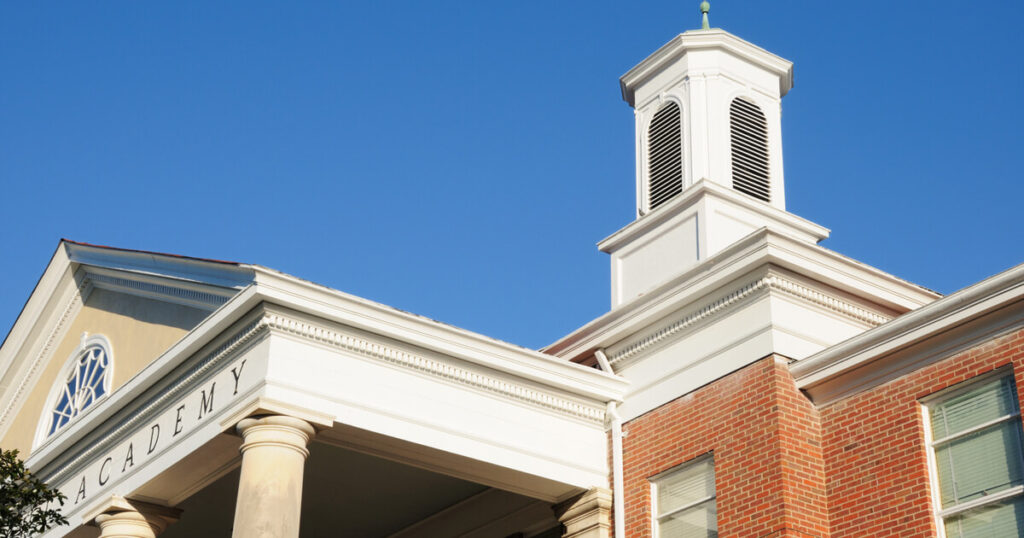
In most cases, the answer is no. An SGO must be primarily organized and operated to award scholarships to eligible students attending multiple schools. Because private schools typically carry out a wide range of educational activities beyond administering scholarships, they generally do not qualify as SGOs themselves.
Schools can partner with an existing SGO or create a separate entity that satisfies the SGO rules. In either case, proper governance, independence, and self-dealing rules must be carefully considered.
Once an SGO is properly structured or identified, the next practical consideration may be what types of education-related expenses scholarships are allowed to cover under the new federal rules.
Which Education Expenses Can SGO Scholarships Cover?
When an SGO scholarship is awarded to an eligible student (which could include a homeschool student who meets the definitions above and incurs expenses while also attending a public/charter school or private/religious school), it may be used to pay qualified education expenses. The law looks to Section 530(b)(3)(A) to define those expenses, which generally include:
- Tuition and mandatory school fees
- Books, supplies, and required equipment
- Tutoring and other instructional services
- Educational therapies and supplementary services
- Uniforms
- Technology and internet access
These rules apply only within the SGO framework and only to scholarships awarded to students who meet the household income limits set out in the federal program.
What to Consider Before Creating or Partnering With an SGO
For organizations considering an SGO, careful planning is essential. Creating or supporting an SGO involves more than forming a nonprofit—it requires systems and processes that can withstand ongoing scrutiny. Important factors to consider include:
- A properly organized 501(c)(3) with a scholarship-focused purpose
- Reliable processes for verifying student eligibility, segregating funds, and tracking compliance
- Scholarship criteria and application procedures that reflect the program’s statutory requirements
- Donor-facing communications that clearly explain tax credit mechanics, limitations, and compliance risks
Since participation in the federal SGO tax credit program depends on state opt-in, it’s also important to note that states that choose to participate may impose additional certification, reporting, or operational requirements. A nonprofit lawyer can help you navigate this process as it evolves.
SGO FAQs
What qualifies as an SGO?
An SGO must be a 501(c)(3) public charity whose primary purpose is awarding scholarships to eligible K–12 students. It must operate within a single state, award scholarships to students attending multiple schools, use at least 90% of its income for scholarships, and follow strict rules around financial and student eligibility, fund segregation, and donor independence.
What is an SGO scholarship?
An SGO scholarship is financial assistance awarded to an eligible student to pay for qualified elementary or secondary education expenses, such as tuition, required fees, books, tutoring, and certain educational services. The scholarship must meet the requirements set out in the federal program to qualify for special tax treatment.
Can an SGO be a school?
In most cases, no. Because an SGO must be primarily organized to award scholarships and serve students across multiple schools, private schools typically do not qualify as SGOs themselves. Most schools instead partner with an existing SGO or establish a separate, independently governed nonprofit to carry out scholarship activities.
What is the OBBBA education tax credit?
The One Big Beautiful Bill Act created a federal income tax credit, beginning in 2027, for certain cash contributions made to qualifying SGOs in participating states. The credit is nonrefundable, capped at $1,700 per individual per year, and subject to state opt-in and other limitations.
How do states participate?
States may elect in advance to participate right now by submitting Form 15714 Advance Election to Participate Under Section 25F for 2027. Such states will provide a list of eligible SGOs to the IRS each calendar year.
Looking Ahead to 2027 and Beyond
The new SGO provisions under the One Big Beautiful Bill Act open the door to expanded scholarship funding, but they also introduce new questions. Though the law has already been passed, the most practical changes will occur starting in 2027, as the federal tax credit and related rules come into effect.
Because states must opt in and federal guidance is still developing, it’s important to proceed thoughtfully. If you are a school, nonprofit organization, or donor exploring whether to create, support, or partner with an SGO, a nonprofit lawyer or tax attorney at Gammon & Grange can help. Our attorneys work with nonprofits nationwide and regularly advise on the tax and governance issues these programs raise. We welcome the opportunity to talk through your questions and help you understand your options.
This blog provides general information about tax and related topics and is for informational purposes only. It is not legal advice, does not create an attorney-client relationship, and should not be relied upon to make decisions about your specific situation. Readers should consult an attorney or other appropriate professional for advice tailored to their particular facts and circumstances.
Tax laws and thresholds change, and application of the law depends on individual facts; for guidance on your situation, please confirm current figures and seek personalized legal counsel from a licensed professional in your jurisdiction.
Share this Article:




Get A Free Consultation
Get a Consultation With a Nationally Recognized Nonprofit And Small Business Lawyer Today.