TYSONS OFFICE

What To Do After a Car Accident in Virginia: A Simple Step‑by‑Step Guide
Robert Adams
February 12, 2026
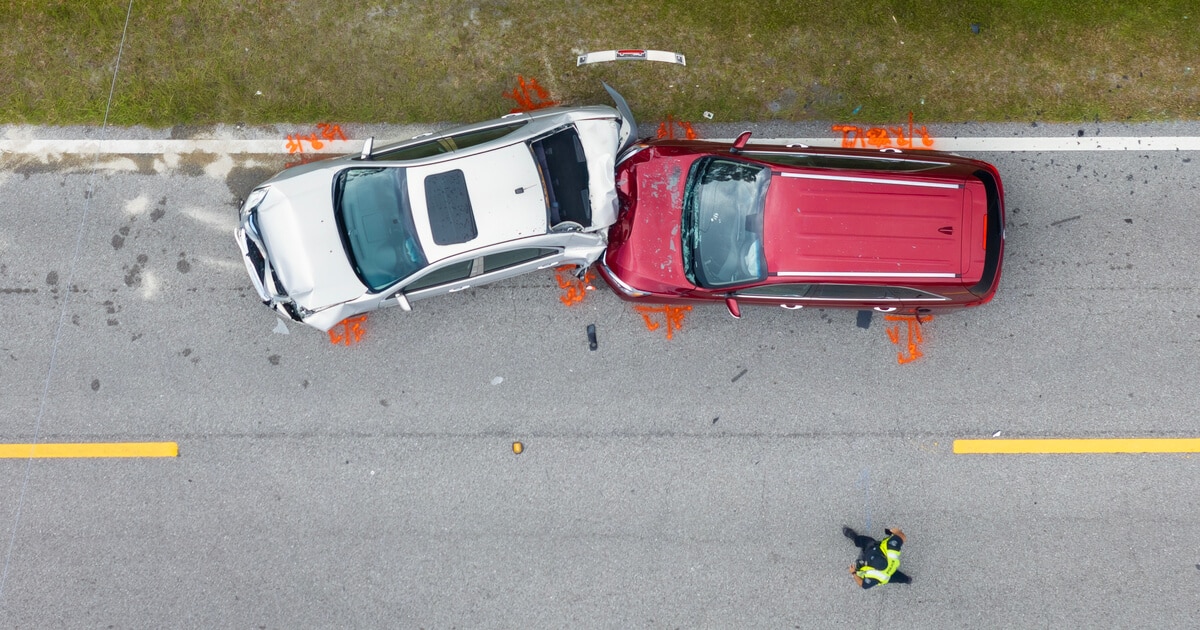
Most people don’t read this kind of guide at the scene of a crash. They read it after things have settled down or ahead of time because they want to be prepared. If you live or drive in the DMV area or have kids who do, it’s important to know what to do after a car accident in Virginia.
Virginia’s car accident laws are strict, and small mistakes—what you say, who you call, or what you document—can affect insurance claims and injury cases. This guide explains what to do in the immediate moments after a crash, what the law requires, and how to protect yourself if problems come up later.
Step 1: Check for injuries and get to safety
Your first concern after a crash should always be safety. Be sure to:
- Check yourself and your passengers for injuries.
- If the car is drivable, carefully pull off the road to a safe spot and turn on your hazard lights.
- If anyone might be hurt, call 911. Don’t wait to “see how you feel later.”
Even if you think you’re okay, remember that your body is full of adrenaline. Some injuries, like whiplash or concussions, may become evident in the hours or even days to come.
Step 2: Stay at the scene (Virginia takes this seriously)
In Virginia, you should never leave the scene of an accident and “deal with it later.” From a legal standpoint, staying put is one of the most important things you can do. The expectation is that you will:
- Pull over or remain as close as you safely can to the scene.
- Stay there until you’ve exchanged information and, if needed, spoken with the police.
- Check on the other driver and anyone else involved.
Leaving too soon can be treated as a hit‑and‑run, which can lead to criminal charges—not just a ticket.
Step 3: Know when to call 911 or the police

Not every fender-bender needs an ambulance, but in Virginia, calling law enforcement is often the safest move.
You are legally required to notify police immediately if the accident involves any injury or death. Crashes that likely involve more than about $1,500 in total property damage must also be reported, and failing to do so can be treated as a misdemeanor.
If anyone is hurt or there’s serious damage, call 911. If the accident is clearly minor and no one is injured, you can call your local police non-emergency number to make a report.
You should involve police when:
- Someone says they’re hurt, seems injured, or loses consciousness
- Vehicles aren’t drivable, are blocking traffic, or are leaking fluids
- There’s visible, significant damage
- You and the other driver don’t agree on what happened
- The other driver is aggressive, intoxicated, uninsured, or trying to leave without giving full information
- You hit a parked car or other property and can’t locate the owner
The dispatcher can send police, EMS, or both. Having an officer document the crash often helps later with insurance and injury claims.
Step 4: Exchange information (get all the details)
Once everyone is safe and you’ve called 911 if needed, you should exchange the following information with the other driver:
- Full name and phone number
- Address
- Driver’s license number
- License plate number
- Vehicle make, model, and color
- Insurance company and policy number
Pro tip: Instead of writing everything down, use your phone to snap clear photos of the other driver’s license, registration, and insurance card. It’s faster and can prevent mistakes.
Step 5: Take photos and document the scene
Good documentation can make a real difference if insurance questions or injury claims come up later. Use your phone to capture:
- The positions of all vehicles from multiple angles
- Close‑ups of damage to every vehicle
- Any skid marks, broken glass, or debris on the road
- Traffic lights or stop signs nearby
- Road conditions (wet, dark, construction, etc.)
- Visible injuries (bruising, cuts, seatbelt marks)
If there are witnesses, collect their names and contact information, and make brief notes about what they observed, if possible.
These details fade fast in your memory but will matter a lot to insurance adjusters later.
Step 6: Be careful with your words
Once everything is documented, be mindful of how you communicate.
It’s natural to apologize to the other driver after a crash, but those words can be misunderstood. Stay polite and cooperative, and keep your statements factual: where you were, what lane you were in, and what you remember happening.
Try to avoid saying things like “I’m sorry,” “I didn’t see you,” or “I think this is my fault.” In Virginia, even casual remarks can be used as evidence that you were partly (or fully) to blame. Because Virginia follows contributory negligence rules, if an insurer can argue that you were even slightly at fault, you may not recover any settlement at all – and that can be critical if you’ve been injured.
Step 7: Get checked out by a doctor
Once the dust settles, make time to see a doctor, urgent care, or ER—ideally within a day or two of the crash.
Many accident-related injuries don’t present symptoms right away, particularly soft-tissue and head injuries. Prompt treatment creates medical documentation that may be critical if an injury claim arises. Delays can weaken your claim by allowing insurers to question the cause of your injuries.
Tell your medical provider the visit is related to a car accident and retain copies of all related records and expenses. This will provide a valuable paper trail for car insurance companies.
Step 8: Report the accident to your insurer
Most auto insurance policies require you to report an accident promptly, even if you believe you weren’t at fault.
When you call, stick to the basics: the date, time, and location of the crash, the vehicles involved, and whether anyone was injured. Provide the other driver’s information and the police report number, if one was created. Be truthful, but avoid guessing or speculating about what caused the accident. If your insurer—or the other driver’s insurer—asks for a recorded statement right away, it’s okay to ask for time or say you’d like to speak with an auto accident attorney first.
Step 9: Keep a “car accident folder”
Staying organized after a crash can save you time and frustration later, especially in your ongoing interaction with your insurer or if you seek legal counsel. Create a folder (physical, digital, or both) and save:
- Photos and videos from the scene
- Names and contact information for witnesses
- Copies of medical records and bills
- Repair estimates and receipts
- Notes about time missed from work and how your daily life has been affected
Well-organized records provide clear documentation of the accident’s impact and can streamline both insurance claims and any later legal review.
Step 10: Know when to call a lawyer
You don’t need a lawyer for every minor bump or parking lot scrape. But it’s worth at least having a conversation with one if:
- You’re in pain or your symptoms are getting worse
- The other driver blames you, or the police report doesn’t seem accurate
- Multiple vehicles or a commercial truck are involved
- The other driver has little or no insurance
- An insurance company is pushing you to settle quickly
Even a short consultation with a car accident lawyer can help you understand your options and avoid mistakes that could affect your ability to recover compensation.
What to Do After a Car Accident in Virginia and Related FAQs
Do I have to call police after a minor car accident in Virginia?
You must call police if there’s any injury, death, or significant property damage (generally around $1,500 or more). For clearly minor accidents with no injuries, you can usually call your local police non-emergency number. Even then, having a police report often helps with insurance.
What should I not do after a car accident?
Don’t leave the scene when police are required, admit fault, guess about what happened, delay medical care, or rush into a settlement. Stick to the facts and take time before making decisions. Check out our blog What Not To Do After a Car Accident.
What is the average settlement for car accident injuries?
There’s no true average—settlements depend on the type of injury, medical costs, time missed from work, and fault issues. Read our blog on the average car accident back and neck settlement for more information.
How long does it take to receive a car accident settlement?
Some cases resolve in a few months, while others take a year or more. The timeline depends on medical treatment, insurance negotiations, and disputes. Read our blog for a more detailed answer to the question, “Why is my car accident settlement taking so long?”
Closing Thoughts
Knowing what to do after a car accident in Virginia can help you avoid costly mistakes. Prioritize safety, stay at the scene, involve law enforcement when appropriate, document the crash, get medical care, and keep good records.
If you’re injured, facing insurance pressure, or unsure about your next step, a conversation with an experienced Virginia auto accident attorney can make a difference. Gammon & Grange has decades of experience helping people navigate these situations.
This article is general information, not legal advice, and does not create an attorney-client relationship. Laws and deadlines vary by jurisdiction and facts—talk with a licensed attorney in your state about your specific situation.
Share this Article:


Get A Free Consultation
Get a Consultation With a Nationally Recognized Nonprofit And Small Business Lawyer Today.