TYSONS OFFICE

Accidents with Self Driving Cars: a Car Accident Lawyer Explains Liability
Robert Adams
March 6, 2026
Vehicles with automated driving features are no longer futuristic—they’re already on the road. But when one of these vehicles is involved in a crash, determining fault can be far more complex than in a typical accident.
Many modern cars use driver-assist technology that can steer, accelerate, or brake on its own under certain conditions. While these systems can improve safety, they also raise new legal questions when something goes wrong. Responsibility may fall on a driver, a manufacturer, or even the technology behind the vehicle itself, and a self-driving car accident lawyer can play a vital role in untangling it all.
But before exploring how liability works in these crashes, it helps to understand a basic question: what exactly counts as a “self-driving car”?
What Is a Self Driving Car?
A self-driving car, or autonomous vehicle (AV), uses a combination of sensors, software, and automated controls to assist with or perform certain driving tasks.
Systems such as cameras, radar, LiDAR, GPS, and artificial intelligence help the vehicle detect its surroundings and respond to traffic conditions. But the term “self-driving” can be misleading, because vehicles may operate at very different levels of automation depending on how much control the technology has over the driving process.
Understanding the Levels of Vehicle Automation
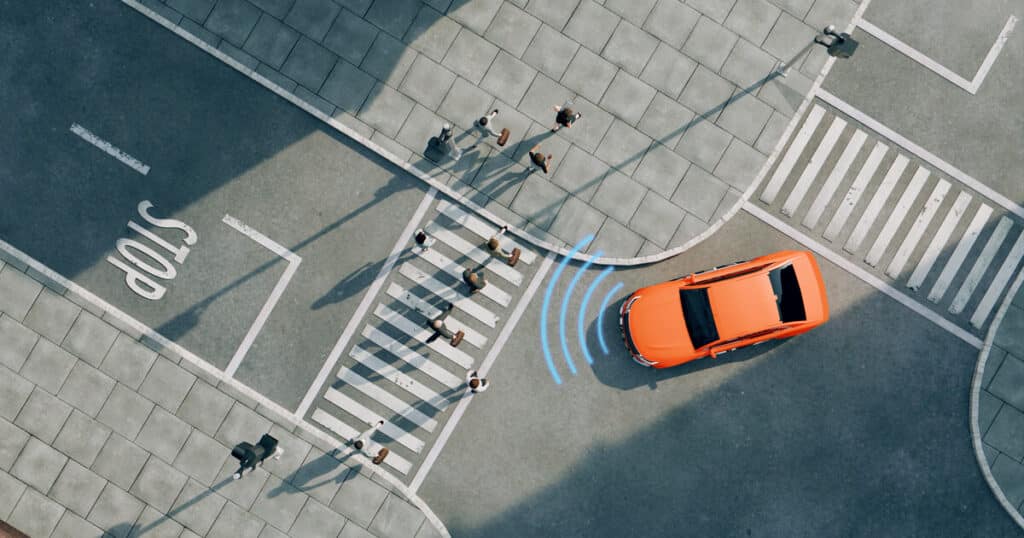
Not all “self-driving” cars operate the same way. Experts describe vehicle automation using the SAE Levels of Driving Automation:
- Level 0 – No Automation: The human driver performs all driving tasks. Some vehicles may offer safety warnings or automatic braking, but the driver remains fully responsible.
- Level 1 – Driver Assistance: The vehicle can assist with a single driving function—such as steering or speed control. Examples include adaptive cruise control or lane-keeping assistance.
- Level 2 – Partial Automation: The vehicle can control both steering and speed in certain situations. Many popular driver-assist systems—such as Tesla Autopilot, GM Super Cruise, and Ford BlueCruise—operate at this level. However, the driver must remain attentive and ready to take control.
- Level 3 – Conditional Automation: The system can handle driving under limited conditions but may require the driver to take over when prompted.
- Level 4 – High Automation: Vehicles can operate without human input within specific environments, such as designated robotaxi service areas.
- Level 5 – Full Automation: The vehicle can drive itself under all conditions, without the need for a human driver.
In practice, most drivers today encounter Level 1 or Level 2 driver-assist systems, which can help maintain speed, keep a vehicle centered in its lane, or adjust to traffic conditions—but still require the driver to remain responsible for the vehicle. Higher levels of automation remain limited to testing programs or tightly controlled services in select locations, and fully autonomous Level 5 vehicles are not yet available for everyday use.
Why Crashes Involving Driver-Assist Systems Are Different
Accidents involving driver-assist technology can be more complicated than traditional crashes. While a human driver may still be responsible in many situations, other parties or technologies may also play a role. The complexity of auto accident liability is evolving because:
- Liability in driver assist vehicle accidents may involve vehicle manufacturers, software developers, parts suppliers, vehicle owners, or companies responsible for maintaining the system.
- Vehicle technology creates new evidence. Modern vehicles often record detailed information about how the car was operating before a crash, including speed, braking, steering inputs, and sensor activity. Preserving this data quickly can be important because it may not remain stored indefinitely.
- Laws are still developing. Because automated driving technology is evolving rapidly, laws and regulations vary and continue to change.
These rules can influence how responsibility is determined after a crash, making experienced legal guidance especially valuable.
Self Driving Car Liability and How a Lawyer Can Help
Determining liability after a crash involving driver-assist technology can be complex. A lawyer can help investigate what happened, identify the responsible parties, and pursue compensation for the injured person.
This often involves reviewing evidence such as police reports, witness statements, traffic camera footage, and vehicle damage. Because modern vehicles record operational data, attorneys may also work to secure vehicle logs before the information is overwritten.
In some cases, responsibility may extend beyond the driver to include vehicle manufacturers, software developers, or other companies involved in designing or maintaining the technology. Technical experts may also be needed to analyze sensor activity, system inputs, and vehicle performance to better understand how the crash occurred.
An attorney can also handle communication with insurance companies and work to recover compensation for medical expenses, lost wages, and other damages resulting from the accident.
What to Do After Accidents with Self Driving Cars
If you are involved in a crash with a vehicle using driver-assist technology, documenting the scene and seeking medical care can help protect your health and your legal rights. Read our blog on what not to do after a car accident and, instead, consider the following:
- Call law enforcement and ensure a police report is created
- Photograph the crash scene and any vehicle damage
- Gather names and contact information from witnesses
- If needed, seek medical attention as soon as possible
If you can, it may also be helpful to record whether any driver-assist features were active at the time of the accident. Because determining liability in these cases can be complicated, speaking with a lawyer may help you understand your options moving forward.
FAQs About Self Driving Car Liability
Who is responsible for an accident in a self-driving car?
Responsibility depends on the situation and the level of automation involved. In many cases, the driver may still be responsible, but liability could also involve a vehicle manufacturer, software developer, or another driver.
Can you sue a self-driving car?
You cannot sue the vehicle itself, but you may be able to file a claim against the driver, vehicle owner, manufacturer, or companies involved in the vehicle’s technology.
What if a driverless car hits you?
You should report the accident, seek medical attention if needed, and document the scene. If you live in Virginia, read What To Do After A Car Accident in Virginia. Because these cases can involve complex technology and liability issues, it may also help to speak with a lawyer about your options.
Speak With a Self Driving Car Accident Lawyer
As vehicles with driver-assist technology become more common, accidents involving these systems may raise new questions about responsibility and compensation.
The auto accident lawyers at Gammon & Grange represent individuals injured in serious motor vehicle accidents and other personal injury cases. We work closely with clients to help them understand their rights and evaluate the options available after a crash. If you have been injured in a collision involving a self-driving car, we would be happy to discuss your situation and help you determine the best path forward.
This article provides general information, not legal advice, and does not create an attorney-client relationship. Laws and deadlines vary by jurisdiction and facts—talk with a licensed attorney in your state about your specific situation.
Share this Article:


Get A Free Consultation
Get a Consultation With a Nationally Recognized Nonprofit And Small Business Lawyer Today.