TYSONS OFFICE

What Not To Do After a Car Accident
Robert Adams
February 5, 2026
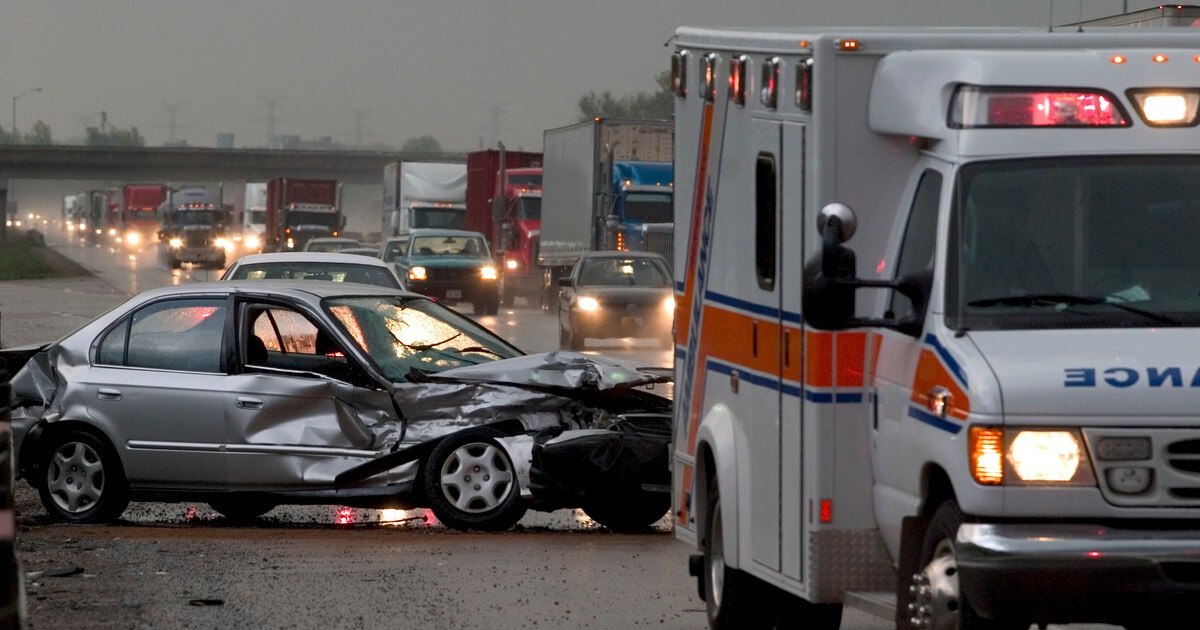
Most drivers know the basics of what to do after a crash. What often causes problems are the mistakes people don’t realize they’re making in the moment.
Those missteps can complicate insurance claims, weaken injury cases, or even create legal issues. This guide breaks down what not to do after a car accident so you can avoid common pitfalls.
1. Don’t leave the scene too soon
Leaving the scene of an accident—even one that seems minor—can create serious legal problems. If the other driver is present, you should stop, remain at the scene, exchange information, and contact police or emergency services when needed.
If the vehicle or property is unattended, you’re still expected to stop and make reasonable efforts to locate the owner or notify law enforcement before leaving. Driving away without doing so can be treated as a hit-and-run.
2. Don’t guess, apologize, or leave without documentation
Assuming no one is seriously hurt, you’ll need to speak with the other driver. When you do, avoid apologies, guesses, or agreeing with the other driver’s story. Your words in these early moments can be construed as an admission of fault.
Limit your interaction with the other driver to exchanging basic information (name and contact information, license plate numbers, and insurance policy numbers) and documenting the accident with photos. Leaving without proper documentation can make insurance and liability issues much harder to sort out later.
3. Don’t rely on a private agreement with the other driver

After a crash, both drivers usually believe they’re in the right. Trying to settle things between yourselves without law enforcement often leads to confusion or disagreements later.
In fact, if there are injuries, disabled vehicles, or serious damage, police involvement is often required. And even when it isn’t, having a police report can prevent disputes later. If the accident is not a serious emergency, you can call the local non-emergency number instead of 911.
4. Don’t ignore pain or delayed symptoms
It’s a mistake to treat a crash like a non-event just because you can walk, talk, or drive away. Adrenaline can mask injuries in the moment.
Pay attention to symptoms like headaches, neck or back pain, dizziness, numbness, or trouble concentrating—and get checked by a doctor if anything feels off. Waiting too long to seek care can make it easier for insurers to argue your injuries weren’t caused by the crash.
5. Don’t overshare with insurance adjusters
Report the accident to your insurance company, but limit your statements to essential facts.
Don’t give long, speculative explanations about what caused the crash. Don’t agree to a recorded statement on the spot if you’re injured, medicated, or shaken. And don’t sign medical releases or settlement paperwork you don’t understand.
Adjusters work for the insurance company, not for you. It’s okay to take time or seek legal advice before giving detailed statements.
6. Don’t post about the accident on social media
Don’t post about the crash, your injuries, or your recovery. It can be tempting to post a quick update or “we’re okay” photo, but those posts can be misunderstood later.
Avoid sharing anything about the crash or your physical condition, even as a joke. Privacy settings don’t guarantee privacy—keeping the accident off social media is usually the safest choice.
7. Don’t lose track of paperwork and expenses
Disorganization can quietly undermine a valid claim. Don’t throw away receipts or estimates. Don’t rely on memory for missed work or out-of-pocket costs. And don’t let important documents scatter across emails, apps, and piles of paper.
Keeping accident-related records in one place makes insurance negotiations—and any later legal review—much easier.
8. Don’t rush into a quick settlement
Quick settlements often come before the full impact of an injury is known. Don’t accept an offer before you understand the full extent of your injuries. It’s unlikely that an insurer will reopen your claim – even if your condition worsens.
Before accepting an offer, make sure you understand the scope of your injuries and what the settlement actually covers. Once you sign, you generally can’t reopen the claim later.
9. Don’t wait too long to get legal advice
You don’t need a lawyer for every parking-lot scrape. But waiting too long to ask questions can limit your options. If fault is disputed, deadlines are approaching, or insurers are contacting you, a brief conversation with an auto accident lawyer can help you understand your rights and avoid costly mistakes.
FAQs
How do you know if you’re actually okay after a car accident?
Feeling “okay” right after a crash doesn’t always mean you are. Adrenaline can mask pain and symptoms for hours or even days. The safest approach is to pay attention to how your body feels over the next few days and get checked by a medical provider if anything feels off.
Injury severity—and how it’s documented—can also affect how an insurance claim is evaluated later. For a closer look at how common injuries factor into settlements, see our guide on average car accident back and neck settlements.
What are red flags to watch for after a car accident?
Red flags include headaches, neck or back pain, dizziness, numbness or tingling, nausea, blurred vision, trouble concentrating, or pain that worsens over time. Changes in sleep, mood, or mobility can also signal an injury.
If symptoms appear or worsen, seek medical care and make sure the provider notes that the visit is related to a car accident. Delayed symptoms are one reason accident claims often take longer than people expect. Read Why is My Car Accident Settlement Taking So Long for more information.
What should you not say to an insurance adjuster?
Avoid apologizing, admitting fault, or guessing about what caused the crash. You should also avoid saying you’re “fine” before you’ve been medically evaluated, as that statement can later be used to minimize injuries.
While online tools can help you understand the types of factors insurers look at, they can’t account for fault disputes or delayed injuries. If you’re curious how insurers generally evaluate claims, this car accident settlement calculator offers helpful context.
For Locals: What Not to Do After a Car Accident in Virginia

Many DMV drivers assume accident rules are the same everywhere—but Virginia is different. The state’s contributory negligence laws mean that being found even slightly at fault can derail an otherwise valid claim. Read What To Do After a Car Accident in Virginia for more information.
If you live in the DMV and were involved in a crash in Virginia, an auto accident attorney at Gammon & Grange can help you understand how those rules apply to your situation and how to avoid missteps that could affect your ability to recover compensation.
This article is general information, not legal advice, and does not create an attorney-client relationship. Laws and deadlines vary by jurisdiction and facts—talk with a licensed attorney in your state about your specific situation.
Share this Article:



Get A Free Consultation
Get a Consultation With a Nationally Recognized Nonprofit And Small Business Lawyer Today.