TYSONS OFFICE

What to Do If You Witness a Car Accident
Robert Adams
March 13, 2026
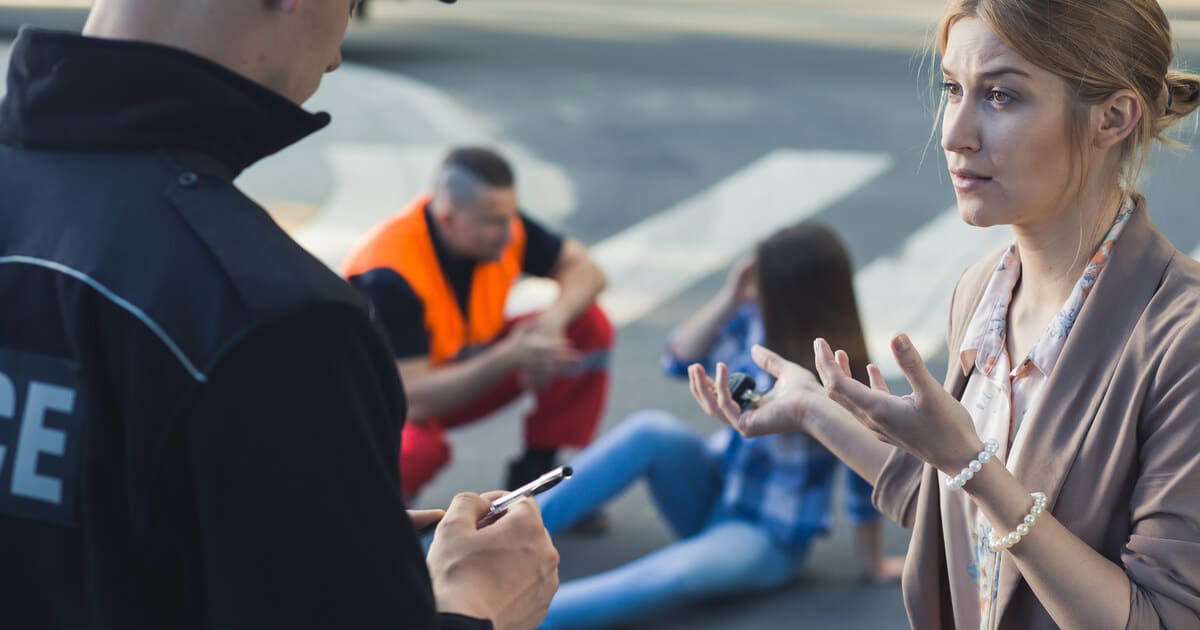
Witnessing a car accident can be a shocking experience, and many people aren’t sure how to respond in the moment. Should you stop, call 911, or simply continue driving?
Although witnesses are usually not legally required to remain at the scene, taking a few simple actions—if it is safe to do so—can help protect the people involved and ensure emergency responders have the information they need. A witness’s observations can also play an important role in determining how a crash occurred and who may be responsible.
If it is safe to do so and you choose to stop, the first step is always to make sure you are not putting yourself or others in danger.
After Witnessing an Accident, Put Safety First
If you witness a car accident—whether from your vehicle or while walking nearby—your first priority should be safety for yourself and others. People who merely witness a crash are not legally required to remain at the scene; the legal duty to stop and stay generally applies to drivers and others directly involved in the collision. Even so, many witnesses choose to stop and help if it is safe to do so.
If you are driving, pull over to a safe location away from traffic and turn on your hazard lights. If you are a pedestrian, move to a safe spot off the roadway so you are not in the path of traffic. Accidents can create hazards such as leaking fuel, broken glass, or unstable vehicles.
Once you are sure the scene is reasonably safe, you can decide whether to approach and see if anyone needs help.
Consider Calling 911
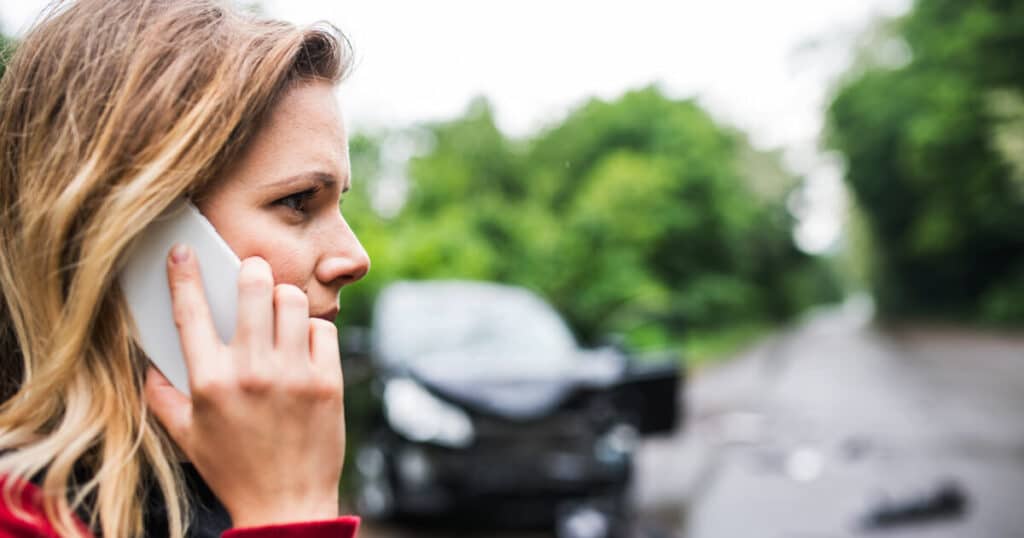
If you witness a car accident, it is often helpful to call 911—especially if there appear to be injuries, significant vehicle damage, or hazards at the scene.
Even if someone involved in the crash may have already contacted emergency services, reporting the accident can help ensure that first responders are aware of the situation. When speaking with the dispatcher, be prepared to provide details such as:
- The location of the crash
- The number of vehicles involved
- Whether anyone appears injured
- Any hazards at the scene, such as smoke, fire, or blocked traffic lanes
Follow the dispatcher’s instructions and remain on the line if asked to do so.
Offer Help Only If It Is Safe
If it appears safe, you can approach the scene and check whether anyone involved in the crash needs assistance.
However, avoid moving injured individuals unless there is an immediate danger, such as fire or another serious hazard. Moving someone improperly can sometimes worsen injuries. If you are not medically trained, the most helpful thing you can often do is remain calm, offer reassurance, and wait for emergency personnel to arrive.
Many states have Good Samaritan laws that protect people who provide emergency assistance in good faith from civil liability. These laws are intended to encourage bystanders to help without fear of being sued. Not only can you potentially help the injured, but you can also help police and emergency responders with information about what you observed.
Be a Reliable Car Accident Witness
Police officers or emergency personnel may ask witnesses to provide contact information and describe what they saw. If you witnessed the accident and it is safe to remain at the scene, sharing a clear and factual account can be very helpful.
Focus on what you directly observed, such as traffic signals, vehicle positions, road conditions, and the order of events before the crash. Try to avoid guessing about fault or estimating speeds.
If possible, you may also want to note or photograph details such as the time, location, vehicle positions, or license plates, as these details may later help clarify what happened.
Why Witnesses Can Be Especially Important in the DMV Area
In certain areas, witness accounts in car accident cases can be particularly important. For example, D.C., Virginia, and Maryland use fault-based systems to determine liability, and witness accounts can play a significant role in determining fault. In Virginia and Washington, DC, strict contributory negligence rules mean that even partial fault can prevent someone from recovering damages. As a result, independent witnesses can sometimes play a key role in clarifying how a crash occurred.
When drivers involved in a crash give conflicting accounts, an independent witness can help clarify what actually happened. Witnesses can also be critical in hit-and-run cases, where identifying the responsible driver may depend on witness testimonies and details such as a license plate number, vehicle description, or dashcam footage. Your account of the accident may also be helpful if someone contacts you later to ask about the accident.
What to Do If You Are Contacted After Witnessing a Car Accident

If you provide your contact information at the scene, someone involved in the investigation, such as an insurance adjuster, investigator, or attorney, may contact you later.
If that happens, it is generally best to describe only what you actually saw and avoid guessing about fault or legal responsibility. A clear and factual account from a neutral witness can help others better understand how the crash occurred.
What to Do If You Witness a Car Accident and Other FAQs
Do you have to stick around if you witness an accident?
In most states, witnesses who are not involved in a crash are not legally required to stay at the scene. However, many people choose to remain if it is safe, so they can provide information about what they saw.
What should you not do if you witness a car accident?
If you have read our blog on What Not To Do After a Car Accident, you know the answer to this question from the perspective of a driver. But if you are a witness, there are also things to avoid doing. Avoid putting yourself in danger or approaching an unsafe scene. Do not move injured people unless there is an immediate hazard, and avoid guessing about fault when speaking with police or others—stick to what you actually observed.
Do insurance companies reach out to witnesses?
Sometimes. If you provided your contact information at the scene, an insurance adjuster or investigator may contact you later to ask about what you saw. If contacted, it is best to describe only what you directly observed.
Closing Thoughts
Witness accounts often play an important role in helping investigators, insurers, and attorneys understand how a crash occurred. In serious accidents, those independent observations can help clarify events when drivers involved have different accounts of what happened.
As an attorney at Gammon & Grange, I regularly work on auto accident cases in Washington, DC, Maryland, and Virginia, where understanding exactly how a crash occurred can be critical. Knowing how to respond if you witness a crash can help ensure that important details are not lost.
This article provides general information, not legal advice, and does not create an attorney-client relationship. Laws and deadlines vary by jurisdiction and facts—talk with a licensed attorney in your state about your specific situation.
Share this Article:

Get A Free Consultation
Get a Consultation With a Nationally Recognized Nonprofit And Small Business Lawyer Today.