TYSONS OFFICE

Protective Claim for Refund: Reclaim COVID-Era IRS Penalties by July 10
Jennifer Kim Nguyen
June 12, 2026
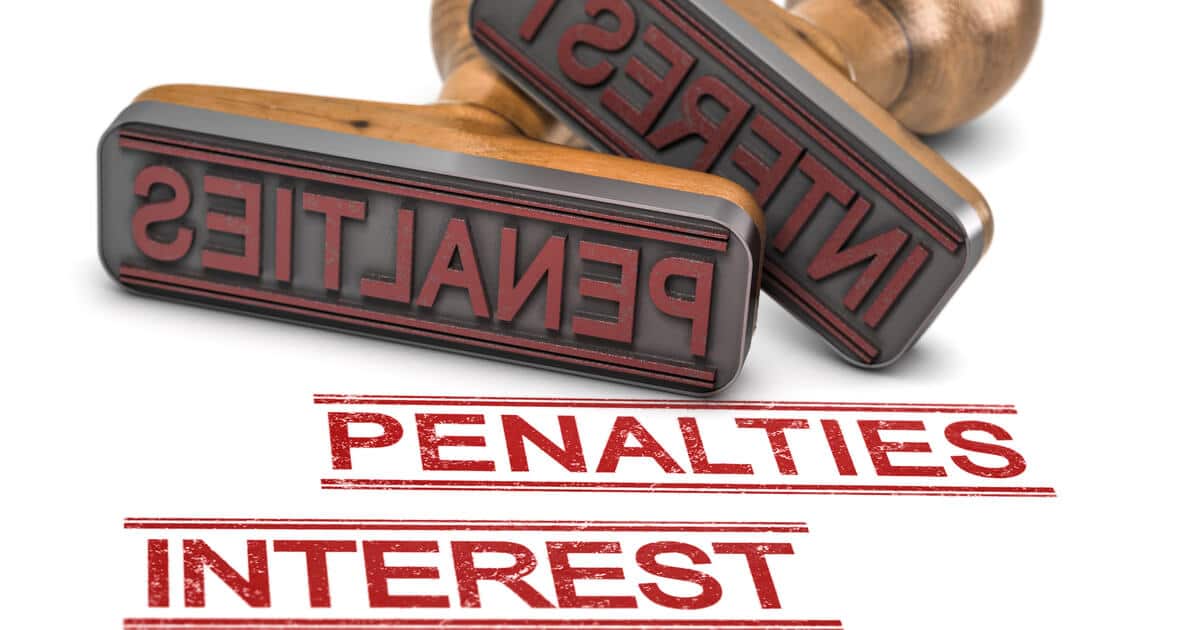
If the IRS charged you a penalty during the pandemic, you may still be eligible to file a protective claim for a tax refund.
A 2025 landmark ruling in Kwong v. United States, 179 Fed. Cl. 382 (Nov. 2025) has opened the door for IRS COVID penalty refunds. The refund isn’t automatic or even definite, but the deadline to unlock this potential refund closes July 10, 2026. If you think you might be eligible, keep reading.
What the Kwong v. United States Decision Means
When the government declares a national disaster, a federal law, Section 7508A of the tax code, gives affected taxpayers extra time to file and pay their taxes. For a stretch of time, the clock that normally starts running when you miss a deadline stops, and the penalties and interest that typically pile up after a missed deadline should not accrue. This was bolstered on December 25, 2025, when Congress’s H.R. 1491/Public Law No. 110-64 amended the Internal Revenue Code to postpone disaster-period deadlines.
When COVID-19 was declared a nationwide disaster, there was some disagreement over how long that pause should last. The IRS treated it as a brief window of time, but in Kwong v. United States, a federal court applied the pause to January 20, 2020 through July 10, 2023.
Why does that matter? If your tax deadlines were on pause for those years while many businesses were disrupted and individuals affected, then many of the late-filing penalties, late-payment penalties, and interest the IRS charged during that window may never have been owed. And if you already paid them, you may be able to get that money back.
Who May Be Eligible to Claim an IRS COVID Penalty Refund?
You or your organization may be eligible for a refund if, for a tax year between 2019 to 2022 (where filing and payment deadlines fell inside the January 20, 2020-July 10, 2023 COVID-era window), you:
- filed or paid your taxes late and got charged a penalty for it,
- paid a “failure-to-file” or “failure-to-pay” penalty,
- were charged interest on taxes paid late, or
- got hit with an estimated-tax penalty.
For many, these charges hit during the very years it was hardest to stay afloat. And the penalties and the interest riding on them can add up fast. If you paid penalties for a deadline that fell inside the COVID window, it may be possible to recover that money.
How Does the Protective Claim for Refund Work?
The IRS is currently appealing the ruling in Kwong vs. United States, and that process could take years. That means the July 10, 2026 deadline to ask the IRS for a refund will likely have come and gone before the situation is settled.
If you file a protective claim for refund by July 10, you are basically saying that, if the courts ultimately decide these penalties were charged improperly, you want your refund. The IRS then sets this claim aside until the law is settled. If taxpayers win, you’ve preserved your right to collect a refund for what you paid; if you never file, that right disappears even if you would have been eligible.
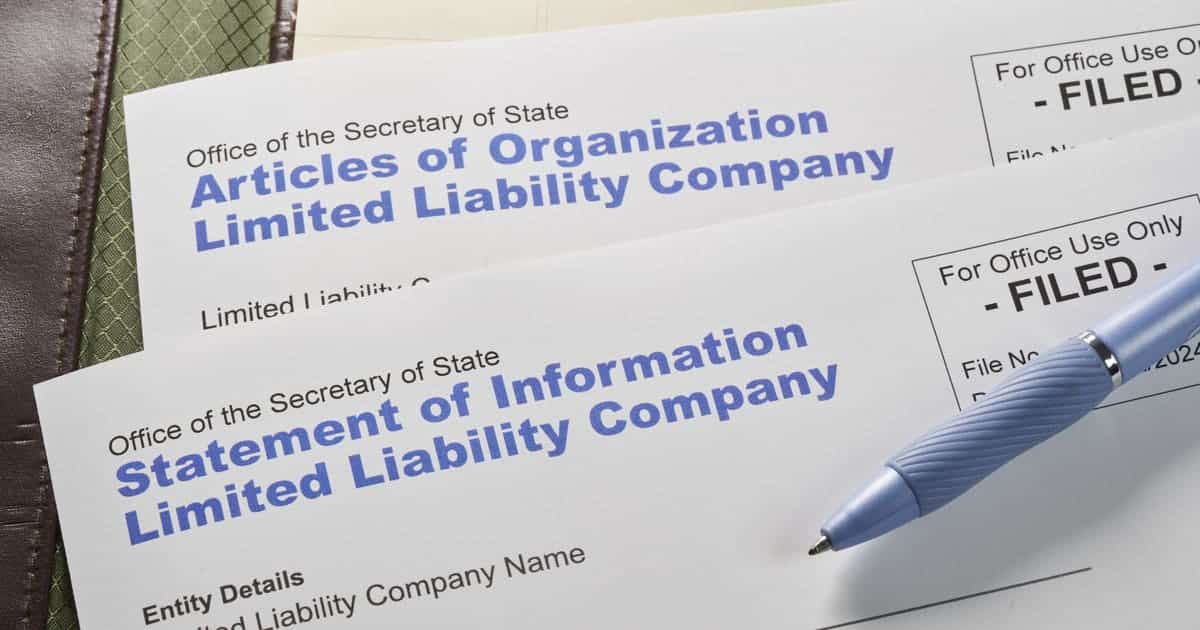
The claim is made on Form 843, Claim for Refund and Request for Abatement. A vague claim may be challenged later, so it’s best to pursue the help of a tax attorney for the strongest claim possible.
Frequently Asked Questions
What was decided in Kwong v. United States?
In Kwong v. United States, A federal court ruled COVID-era disaster relief paused federal tax deadlines from January 2020 through July 2023. If that ruling holds up, many of the penalties and interest the IRS charged during those years may not have been owed because the penalties should not have been assessed.
What is a protective claim for refund?
A protective claim for refund is a claim you file now to hold your place in line while the ruling is still being decided. If the courts ultimately side with taxpayers, you may be eligible for a refund; if you never file, you lose the option.
Could I really get an IRS COVID penalty refund?
If you paid a late-filing penalty, a late-payment penalty, an estimated-tax penalty, or interest on late taxes during the federal disaster declaration that was in effect from January 20, 2020, through May 11, 2023 (extended for tax purposes to July 10, 2023), you may be eligible. The facts of your claim are important, so it’s worth it to have a tax attorney review it and ensure it is properly submitted.
Why does the July 10, 2026, deadline matter so much?
It’s the cutoff to file for most affected taxpayers. Miss it, and you may not be eligible for a refund. Since the appeal could take years, filing now may be the only way to keep your claim alive.
Does this apply to nonprofits and small businesses?
Individuals, small businesses, and nonprofits may be affected. For example, a charity penalized for a late information return, or a small business hit with a payroll-tax penalty during the pandemic may receive a refund if qualified.
To stay up-to-date with other tax matters impacting small businesses, read our blog on the Corporate Transparency Act injunction.
Is a refund guaranteed?
No. The Kwong decision is on appeal and could be narrowed or overturned, so a protective claim preserves your right to a refund but doesn’t guarantee one. Be wary of anyone who promises a “guaranteed” refund or charges a fee based on the amount of the refund.
What do I need to do — and what if I haven’t paid the penalty yet?
If the penalty is still unpaid, you may request that the IRS to remove it (an “abatement”), which may not be bound by that same cutoff, though acting promptly still helps. Either way, a tax attorney can review your records and file the right request.
Final Thoughts

If you paid IRS penalties or interest during the pandemic years and you’re not sure whether you qualify for a refund or abatement, I, or another tax attorney at Gammon & Grange, would love to help. I can review your situation, help you decide whether filing a protective claim for refund makes sense for you or your organization, and take care of the filing before the deadline arrives.
This post is meant to help you understand a developing legal issue. It is not legal advice for your specific situation, and every taxpayer’s facts are different.
Share this Article:



Get A Free Consultation
Get a Consultation With a Nationally Recognized Nonprofit And Small Business Lawyer Today.