TYSONS OFFICE

How to Form an LLC in California: A Step-by-Step Guide (2026)
Jennifer Kim Nguyen
August 22, 2026

Knowing how to form an LLC in California is one of the first steps to launching a small business here, and this guide walks you through the whole process. Limited liability companies (LLCs) are so popular because they offer liability protection and flexibility without the headaches of a corporation.
The steps to forming an LLC are all public record, and I’ll explain them below so you know exactly what to expect. Though they seem simple, it’s important to remember that California is one of the priciest, most rule-heavy states for LLCs. Consequently, some of these steps involve decisions that are easy to get wrong and expensive to undo, so I’ll be sure to point those out as we go.
Let’s start with a basic definition.
What an LLC Is (And Why California Founders Choose One)
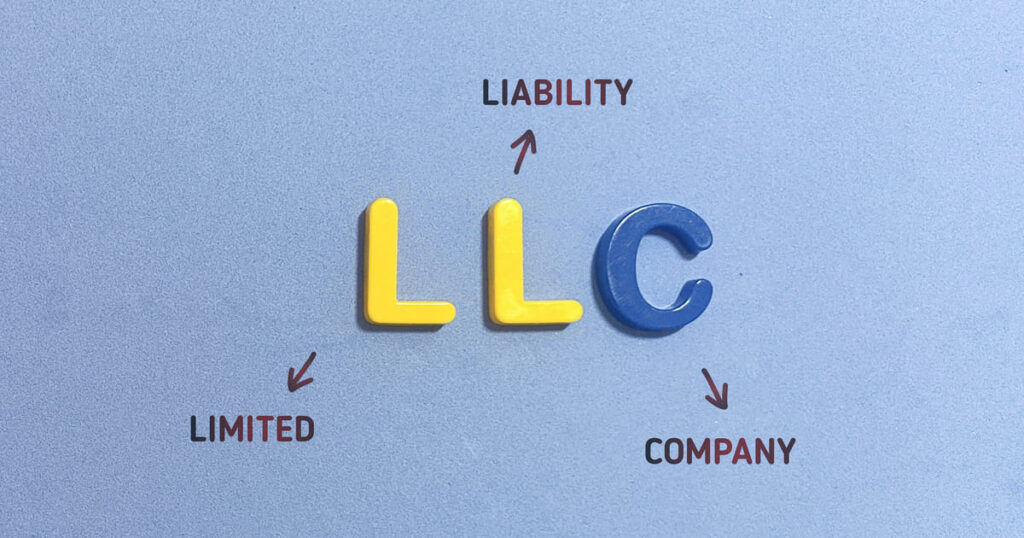
Think of an LLC as a legal barrier between you and your business. Set it up correctly, and your personal assets are largely protected if the business gets sued or can’t pay its debts. You also get flexibility in how you’re taxed and managed. That combination is exactly why most California founders reach for an LLC.
The important part is to “set it up correctly,” though, because an LLC only protects you if it’s set up and maintained the right way.
The Steps to Form an LLC in California
- Choose and clear your name. Your name must include “LLC” (or “L.L.C.” or “Limited Liability Company”) and be distinct from other businesses registered in California. Search the Secretary of State’s database before filing, since a name that’s too similar to another business’s will get rejected.
- Designate an agent for service of process. This is the person or company allowed to receive legal papers that may be served on your LLC (what most states call a registered agent). This is required in the state of California. You can name a California resident or hire a professional agent service. Just remember, the address of the agent is public, so most owners choose not to use their home address.
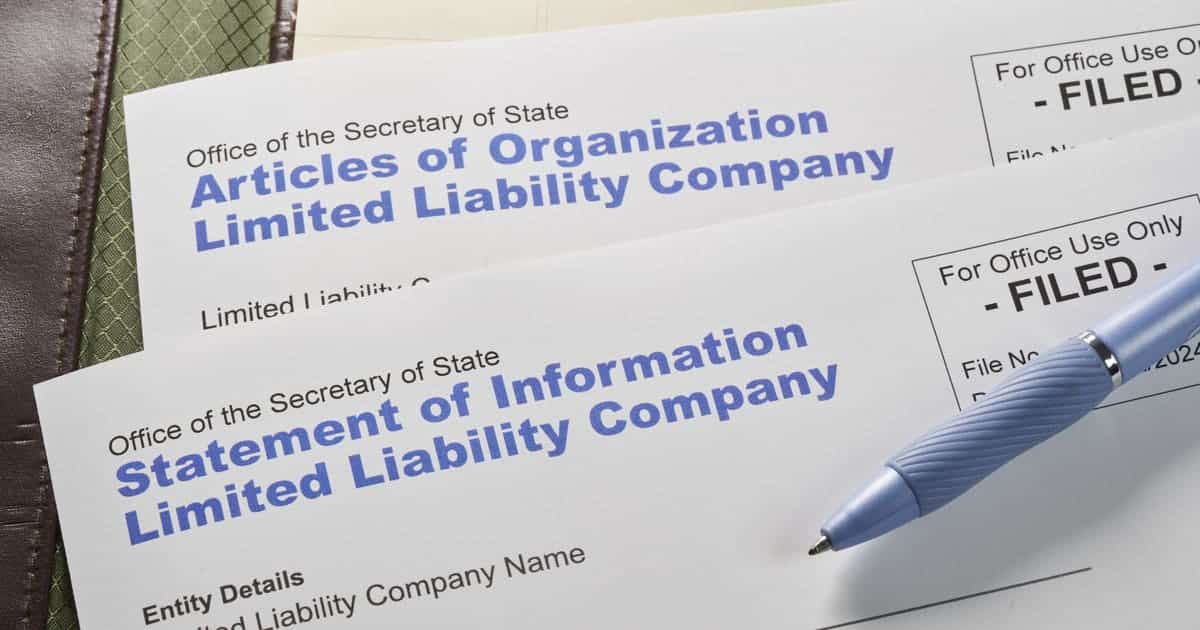
- File your Articles of Organization (Form LLC-1). This is the filing that officially creates your LLC. Submit it online through the Secretary of State’s BizFile system. Filing costs $70, and most are cleared within a few business days.
- Put an operating agreement in place. This is your LLC’s internal contract, outlining who owns what, who manages the business, how money flows, and what happens when someone wants out, passes away, or the owners disagree. California expects you to have one, though you won’t file it with the state.
A generic template is built to fit everyone, which means it fits no one perfectly. It leans on boilerplate defaults but may not include the terms your specific ownership setup needs, like how to break a tie between partners, what happens when someone wants to sell, or how a member can exit. It’s far cheaper to have an expert carefully draft or review an operating agreement tailored to your particular LLC’s setup now than to deal with the fallout after a dispute or during litigation. Working with a small business attorney at this stage may be particularly strategic. and wise. - File your initial Statement of Information (Form LLC-12). You get 90 calendar days from the formation of your LLC to file this with the Secretary of State. The form lists your addresses, who manages the business, and your agent for service of process. It costs $20 to file, and you’ll refile every two years going forward. Be sure to keep track of the deadline on this one because a late submission may result in penalties and even the suspension of your LLC.
- Get an EIN from the IRS. Your Employer Identification Number is the business’s federal tax ID, and you’ll need it to open a bank account, hire employees, and file taxes. You can get one directly from the IRS for free in a few minutes, so be wary of any site that charges a “service fee” to obtain it for you.
- Understand your California tax obligations. This is the part that surprises people. Every California LLC must pay an $800 minimum franchise tax. Your first payment is due by the 15th day of the 4th month after you form, then every April 15 after that. You’ll make that $800 payment using Form 3522, and separately file Form 568, your LLC’s annual return, with the Franchise Tax Board each year to report your income and reconcile what you owe. If you earn more than $250,000 in California gross receipts, you’ll owe an extra fee on top of the $800 (upwards of $11,790 if you earn $5 million or more).
In addition, there are important elections to consider regarding how your LLC should be taxed. By default, a one-owner LLC’s income is simply reported on your personal tax return, while a multi-owner LLC is taxed as a partnership. But you can also elect to be taxed as an S-corporation or C-corporation, which changes how much you pay in self-employment and income taxes. Each option carries real trade-offs, and the right one depends on your income and goals. A business tax attorney can help you weigh the costs and benefits. Read our blog for more information on LLC tax in California. - Secure the right licenses and permits. Your state filing doesn’t cover local requirements. Depending on your city, county, and industry, you may still need a business license, seller’s permit, or professional license before you can operate. Read our blog What is a Professional Corporation to learn more.
Work through those eight steps and your LLC will be properly formed, compliant, and ready to operate.
How Fast Can You Form an LLC in California?
Standard online filings through BizFile usually clear in a few business days, but expedited options are available for an extra fee. And if you submit early in the day, you have the option of same-day service for an additional $750.
Just remember that fast and thorough aren’t the same. A quick approval means little if you skip the operating agreement, tax election, and compliance steps that actually protect you. Speed is easy, but proper formation takes time and planning.
How Do I Form an LLC in CA and Other FAQs
Can you tell me how to form an LLC in California?
Here’s the quick version. Pick and clear a name with the California Secretary of State, designate an agent for service of process, and file your Articles of Organization online with the Secretary of State ($70). From there, adopt an operating agreement, file your Statement of Information within 90 days, get an IRS EIN, elect S Corp status if desired, and prepare for the $800 annual minimum franchise tax.
How fast can I form an LLC in California?
Standard online filings are usually processed within a few business days. California also offers expedited options for an extra fee, including same-day service (currently $750) for filings submitted early in the day.
How much does it cost to form an LLC in California?
The core costs are $70 to file the Articles of Organization and $20 for the initial Statement of Information, plus the $800 annual franchise tax. LLCs with California gross receipts above $250,000 may owe an additional fee on top of the $800. Any legal assistance would include additional costs.
Do I have to pay the $800 franchise tax in my first year?
Yes, if your LLC was formed on or after January 1, 2024. The first-year exemption under Assembly Bill 85 expired at the end of 2023, so new LLCs now owe the full $800 in year one, even if no income is earned.
Do I need an operating agreement?
California law expects your LLC to have one, even though you don’t have to file one with the state. A well-drafted operating agreement is your best protection against future disputes among owners, so it’s important to take care in drafting one.
Do I need a lawyer to form an LLC in California?
You can file the basic paperwork yourself, but an attorney can help strategize around choosing the right entity and tax treatment, drafting an operating agreement that fits your business, and making sure your liability protection will actually hold up.
How a Business Attorney Can Help

At Gammon & Grange, helping small businesses get off the ground with a firm foundation is part of what we do every day. If you’re forming an LLC in California, or you’ve already filed and want to make sure your operating agreement, tax election, and liability protection are strategic and compliant, I’d love to help. Please reach out to me, Jennifer Kim Nguyen, at Gammon & Grange.
This post provides general information about forming an LLC in California and is for informational purposes only. Fees, tax rules, and deadlines change, and every business is different. This is not legal or tax advice and does not create an attorney-client relationship. Please consult a qualified professional about your specific circumstances.
Share this Article:



Get A Free Consultation
Get a Consultation With a Nationally Recognized Nonprofit And Small Business Lawyer Today.