TYSONS OFFICE

Car Accident, No Insurance, Not at Fault: What to Do
Robert Adams
August 15, 2026
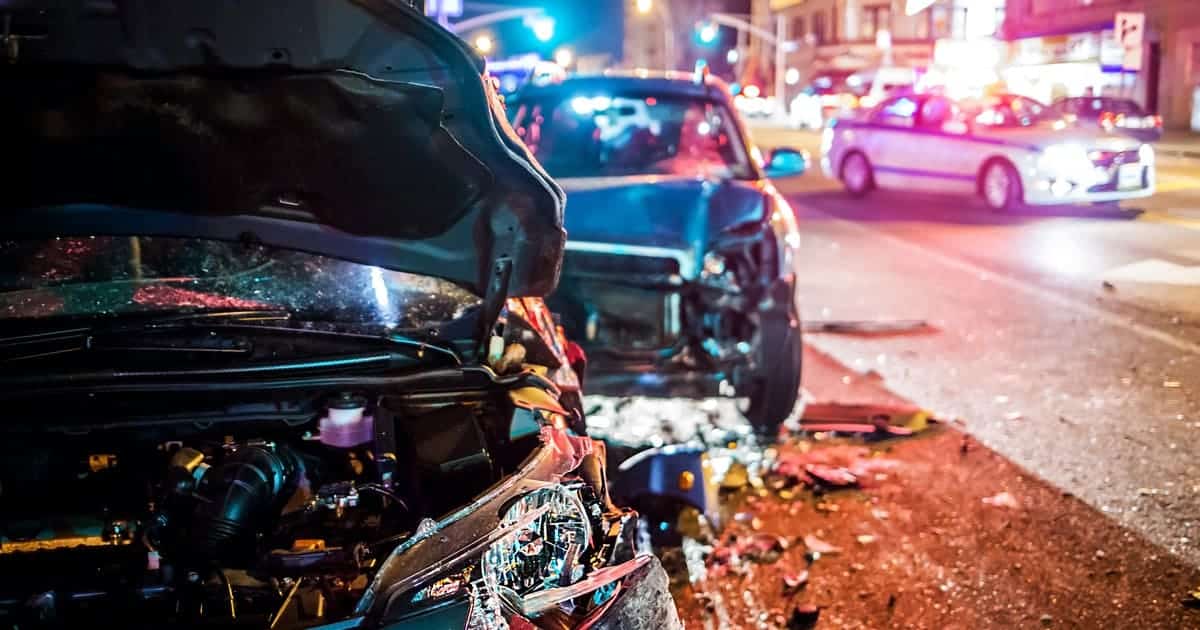
The good news up front: If you were hit by an uninsured driver, you have more options than you might think. A car accident with no insurance when not at fault doesn’t mean you walk away empty-handed — in most cases, there is more than one path to compensation.
Getting into a car accident is stressful enough. Finding out the driver who hit you doesn’t have insurance can feel like a gut punch. And it happens more than most people realize. According to U.S. News and World Report, several states report that 20% or more of their drivers are uninsured.
I’ve seen how quickly a collision with an uninsured driver can create real financial hardship for those affected. The good news is that there are options available. Here’s how to pursue the compensation you need.
Uninsured Motorist Coverage: Your First Line of Defense for a Car Accident with No Insurance
Uninsured motorist coverage (UM) is insurance you carry as part of your own auto policy. If you’re hit by a driver who has no insurance, your UM coverage steps in to cover your medical bills, lost wages, pain and suffering, and even vehicle damage in some states up to your policy limits.
This is your most reliable option after an accident with an uninsured driver. You’re not dependent on the other driver having assets to go after because your own insurer pays, and you deal with them directly. Most states either require or strongly encourage UM coverage.
UM coverage also typically kicks in after hit-and-run accidents, where the fleeing driver is treated as an uninsured driver for purposes of your claim. Most states require that you report the accident to police promptly, and many, like Virginia, require physical contact between vehicles for UM coverage to apply. If you were the victim of a hit and run, check your policy carefully to see if you’re covered.
A close cousin worth knowing about is underinsured motorist coverage (UIM). If the at-fault driver has some insurance but not enough to cover your full damages, UIM bridges that gap up to your own policy limits. It’s often purchased alongside UM coverage and works the same way.
One thing is worth noting, regardless of your situation: even though you’re filing with your own insurer, they are not automatically on your side. All insurance companies have a vested interest in minimizing payouts. If your claim is being undervalued or if you are unsure whether or not you’re covered, an auto accident attorney can help.
What If You Don’t Have Uninsured Motorist Coverage?
If you don’t have UM coverage, your options are more limited.
Filing a lawsuit against the at-fault driver is always an option. If they caused the accident, they are legally liable for your damages regardless of whether they have insurance. The one problem there is that collecting a judgment from someone with no insurance often means they have limited assets. So, a court judgment in your favor doesn’t automatically put money in your pocket.
That said, a lawsuit isn’t always futile. Some uninsured drivers have a home, a paycheck, and savings that can be reached through wage garnishment or liens. An attorney can help you assess whether pursuing a lawsuit makes financial sense for your situation.
What to Do After a No Insurance Car Accident

The steps you take in the moments and days after a collision with an uninsured driver can significantly affect the compensation you recover. Here’s what I recommend:
- Call the police. A police report creates an official record of the accident and documents the other driver’s lack of insurance. This provides critical evidence.
- Get medical attention immediately. Some injuries take days or weeks to appear, so it’s best to see a doctor even if you feel fine after the accident. A medical record that documents your injuries close to the time of the accident is essential.
- Document everything at the scene. Photos of the vehicles, the road, your injuries, and the other driver’s license plate are additional pieces of evidence. Be sure to ask for witness names and contact information.
- Report the accident to your insurance company promptly. If you have UM coverage, notify your insurer as soon as possible. Delays can complicate your claim.
- Don’t give recorded statements without an attorney. Your own insurance company may ask for a recorded statement, but be cautious. What you say can be used to reduce your payout.
- Consult an attorney before settling. Once you accept a settlement, you typically can’t go back for more. An attorney can help you understand the full value of your claim before you agree to anything.
Taking these steps puts you in the strongest possible position, but it’s also important to understand the specific laws that apply in your state.
A Note for Drivers in Virginia, DC, and Maryland
Everything we’ve covered applies regardless of where you live. But as an attorney who has practiced in the DMV area for more than 50 years, I want to flag something specific because this region operates under one of the strictest fault standards in the country.
Virginia, DC, and Maryland are three of only five jurisdictions nationally that follow contributory negligence rules. In most states, being partly at fault reduces your recovery proportionally. In the DMV, however, it can eliminate it entirely. In an uninsured driver claim where the at-fault driver has every incentive to shift blame, contributory negligence claims can negate any recovery.
Virginia also made a significant change in 2023: Every Virginia driver is now required to carry actual coverage — meaning an uninsured driver in Virginia is in clear violation of state law.
The rules are complicated — and the right answer depends on where you live, what coverage you have, and the facts of your accident. Here are the questions I hear most often from drivers in your situation.
Frequently Asked Questions

What happens if you’re in a car accident and the other driver has no insurance?
Your first option is to file a claim under your own uninsured motorist coverage if you have it. If you don’t, you can file a lawsuit against the at-fault driver directly — though collecting from an uninsured driver can be difficult depending on their financial situation. An attorney can help you assess your options and the realistic value of your claim.
What if the at-fault driver has some insurance but not enough?
That’s where underinsured motorist coverage (UIM) comes in. If the at-fault driver’s policy limit doesn’t cover your full damages, your UIM coverage can help bridge the gap. It works similarly to UM coverage and is often purchased alongside it.
What if my car accident was a hit-and-run?
In most states, uninsured motorist coverage applies to hit and run accidents — the fleeing driver is treated as an uninsured driver for purposes of your claim. Report the accident to police immediately, and notify your insurer promptly.
What should I do immediately after being hit by an uninsured driver?
Call the police, get medical attention, document everything at the scene, and report the accident to your insurer. Read our blog What To Do After a Car Accident in Virginia for more information.
What mistakes should I avoid after being hit by an uninsured driver?
Don’t give recorded statements to any insurance company without speaking to an attorney first, don’t accept a settlement before you know the full extent of your injuries, and don’t wait to report the accident. Read our blog to learn what not to do after a car accident.
How much is my car accident claim worth?
The value of your claim depends on your medical bills, lost wages, pain and suffering, and the extent of your injuries. Read our blogs on the average car accident back neck settlement and our car accident settlement calculator to learn more.
Why is my uninsured motorist claim taking so long?
Uninsured motorist claims are frequently disputed and can take longer than standard accident claims. Insurers may drag their feet on valuation, request additional documentation, or dispute liability. Read Why is My Car Accident Settlement Taking So Long to learn more.
Closing Thoughts
Being hit by an uninsured driver is one of the most frustrating situations an injured person can face. You did nothing wrong, and yet the path to compensation feels impossibly complicated.
But complicated doesn’t mean impossible. In most cases, there are real options available. It’s important to remember, though, that the decisions you make in the hours and days after the accident can significantly affect what you ultimately recover.
If you were injured in an accident with an uninsured driver in Virginia, DC, or Maryland, our team at Gammon & Grange is ready to help. I’ve spent more than 50 years representing injured people in this region, and I know how to navigate these claims to get you the best possible outcome. Contact me for a free consultation.
This blog is for informational purposes only and does not constitute legal advice. Laws vary by state and jurisdiction. For guidance specific to your situation, please consult a qualified attorney.
Share this Article:


Get A Free Consultation
Get a Consultation With a Nationally Recognized Nonprofit And Small Business Lawyer Today.