TYSONS OFFICE

Car Accident, At Fault, No Insurance: What Happens Next
Robert Adams
September 4, 2026
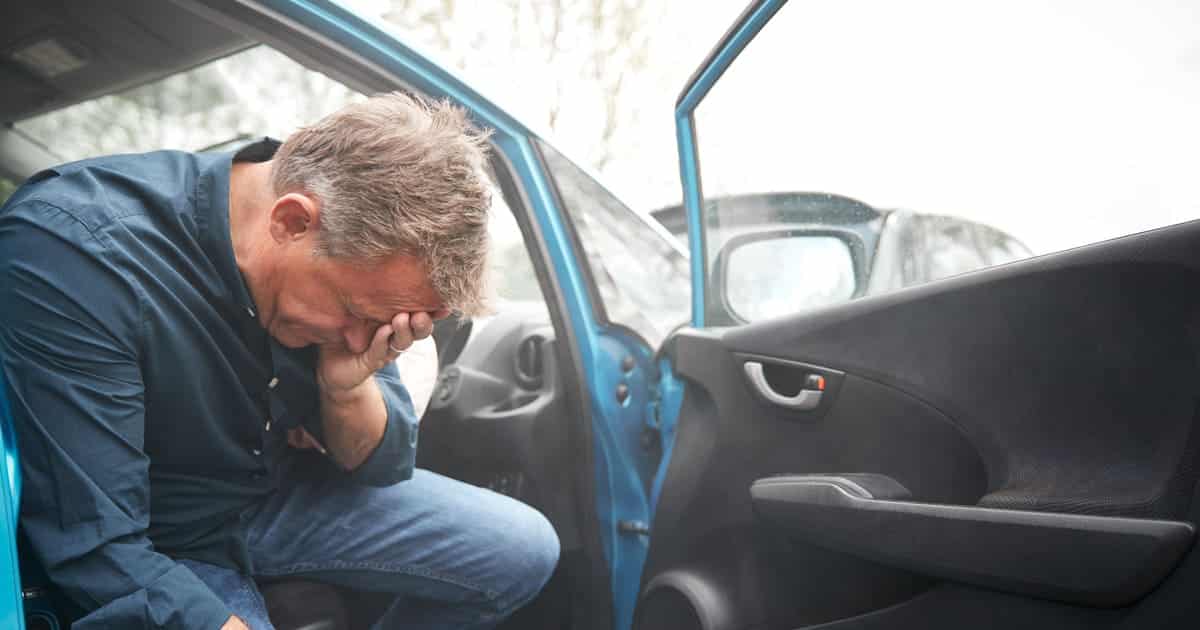
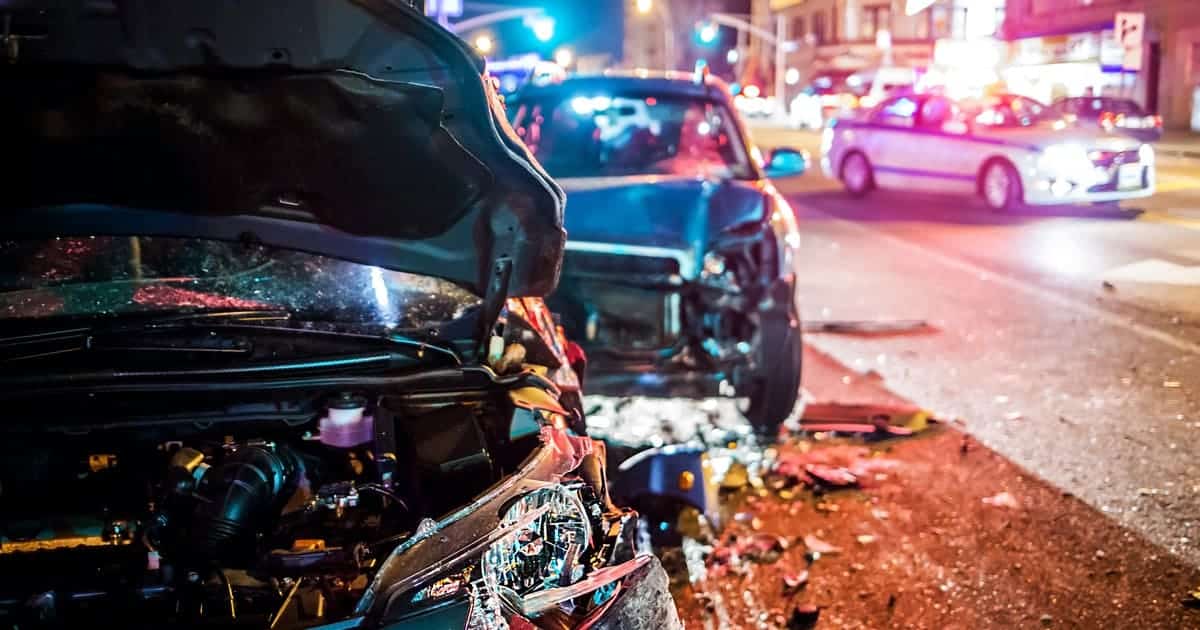
The short answer: If you’re in a car accident, at fault, and have no insurance, you are personally responsible for the other driver’s medical bills, lost wages, and vehicle damage. On top of that, you’re likely facing fines, a suspended license, and an SR-22 requirement before you can drive again.
If that’s where you find yourself right now, the questions are probably piling up fast. What do you owe? Can you be sued? What happens to your license and registration? As a car accident attorney who represents those injured in car accidents by uninsured drivers, I’ve seen this situation play out from both sides. In this blog, I can give you an honest picture of what you’re facing and where things are likely to go from here. First, let’s talk about the legal consequences.
The Legal Consequences of Driving Without Insurance
Driving without insurance is illegal in 49 states. New Hampshire is the only exception, but even there, drivers are financially responsible for any damages they cause.
The penalties for driving without insurance vary by state, but most drivers typically face a combination of the following.
- Fines vary widely by state and offense history, but they commonly run from several hundred to several thousand dollars.
- License suspension is standard in most states after an uninsured accident. You’ll need to meet specific requirements before your driving privileges are restored.
- Registration suspension typically goes hand in hand with license suspension, leaving you unable to legally operate your vehicle.
- An SR-22 filing is required in most states before your license can be reinstated. It’s a certificate from an insurer confirming you carry minimum coverage, and it usually drives up your premiums significantly for two to three years.
- Criminal charges are a real possibility in some states, especially when injuries are involved. Charges can range from a misdemeanor to a felony, depending on the severity of the accident and local law.
These consequences happen regardless of whether the other driver sues you. These state-imposed consequences begin the moment you’re in an accident without coverage. But there are financial implications as well.
At-Fault Accident Without Insurance: Your Financial Liability
Driving uninsured isn’t just illegal. It’s expensive. Without insurance, every dollar of damage from the accident is your personal responsibility. That includes:
- The other driver’s medical bills, from the ambulance ride through any surgery, therapy, or ongoing treatment
- Every paycheck they missed while recovering from injuries you caused
- Pain and suffering damages, which courts can award on top of medical costs and lost wages
- Damage to their vehicle and any other property involved in the accident
- Any long-term care costs if their injuries are serious or permanent
For a serious accident, the total can reach six figures or more. There is no cap, no policy limit, and no buffer between you and what you owe. And that liability doesn’t stay theoretical for long if the other driver decides to sue you.
Can You Be Sued?

Yes, and the fact that you don’t have insurance doesn’t protect you from a lawsuit. If the other driver was injured or suffered property damage, they have the right to sue you directly, regardless of your insurance status.
Losing a lawsuit means more than owing money; it means the other driver now has legal mechanisms to collect it. They can garnish your wages, meaning a portion of every paycheck goes directly to them. They can levy your bank account, seizing funds you have on deposit. They can place a lien on your home or property, making it impossible to sell or refinance until the judgment is satisfied.
Judgments also accrue interest over time. In many states, a judgment remains enforceable for ten years or more and can be renewed.
Your Options if You’re In a Car Accident Without Insurance and at Fault

If you caused an accident without insurance and you’re facing a potential lawsuit or judgment, you’re not entirely without options, but they narrow the longer you wait.
Before a lawsuit is filed, it may be possible to negotiate directly with the other driver. If the damages are manageable and you have some ability to pay, a direct settlement can avoid the cost and stress of litigation for both parties. A car accident attorney can help you navigate that conversation. If a judgment has already been entered, many states allow for payment plans that make the debt more manageable without requiring the full amount up front.
Bankruptcy is also a possibility in this scenario, but it’s not the clean slate most people hope for. Bankruptcy can wipe out some debts, but personal injury judgments are often the exception. And even when it does help, the damage to your credit and financial life can follow you for years. Filing for bankruptcy should be a last resort, not a first move. An attorney can play a vital part in helping you evaluate this option.
Some states have unsatisfied judgment funds designed to make sure accident victims don’t go uncompensated just because the at-fault driver has no money. The fund pays the victim’s claim on your behalf. The catch is that the state doesn’t absorb that cost; it pursues you for reimbursement, often aggressively. In practical terms, it replaces one creditor with another who tends to have more collection tools at its disposal than a private individual.
The rules around all of these options vary by state — and if the accident happened in Virginia, DC, or Maryland, there are a few regional specifics worth understanding before you decide how to proceed.
What’s Different About Driving Uninsured in Virginia, DC, and Maryland
As an attorney in the DC area, I want to flag a few things that are specific to this region.
Prior to 2023, Virginia allowed drivers to pay a $500 annual fee to legally drive without insurance, but that option no longer exists. Now, every Virginia driver is required to carry actual insurance. If you drive in Virginia without insurance, you are in clear violation of state law and subject to consequences like fines, license suspension, and an SR-22 requirement to reinstate your driving privileges.
There are also some timelines to be aware of. In Virginia, the injured party has two years from the date of the accident to file a personal injury lawsuit against you.
Finally, Virginia, DC, and MD are some of the few jurisdictions nationwide that follow a fault standard called contributory negligence. If the other driver bears even a small share of the blame for the accident — a rolling stop, a distracted moment, an illegal turn — they may be completely barred from collecting anything from you.
What Happens if You Cause an Accident Without Insurance and Other FAQs
What happens if you cause a car accident with no insurance?
You face two sets of consequences: legal penalties from the state for driving uninsured, and personal financial liability for the damages you caused. The other driver can sue you directly, and a judgment against you can result in wage garnishment, bank levies, and property liens.
Can the other driver sue me if I have no insurance and am in a car accident?
Yes, your lack of insurance doesn’t protect you from a lawsuit. If you caused the accident, you are personally liable for the other driver’s damages regardless of your coverage status.
Will I lose my license if I cause an accident without insurance?
In most states, yes. License suspension is one of the most common penalties for driving without insurance after an accident. You’ll typically need to file an SR-22 to get your license reinstated.
What is an SR-22 and will I need one?
An SR-22 is not insurance — it’s a certificate filed by an insurance company on your behalf that verifies you carry the minimum required coverage. Most states require it after an uninsured accident, and it typically needs to be maintained for two to three years. Having an SR-22 on file usually results in higher insurance premiums.
Can I negotiate directly with the other driver to avoid a lawsuit?
In some cases, yes, particularly if the damages are relatively minor and you have some ability to pay. Reaching an agreement before a lawsuit is filed can save both parties time and money. An attorney can help you navigate that conversation.
What should I do after an accident?
Don’t leave the scene, exchange information, and be honest with the police. Read What to Do After a Car Accident in Virginia to learn more.
What shouldn’t I do after a car accident?
Don’t leave the scene, don’t lie to police about your coverage, and don’t make admissions of fault beyond what’s necessary. Learn more by reading What Not to Do After a Car Accident.
What should I do if I’m hit by an uninsured driver?
You can file a claim through your own uninsured motorist coverage. To learn more, read Car Accident, No Insurance.
Final Thoughts
If there’s one thing more than 50 years of personal injury law has taught me, it’s that people make better decisions when they understand what they’re actually facing. The situation is difficult, but it’s navigable. Knowing the consequences, understanding your options, and being honest with yourself will be vital as you take your next steps.
This blog is for informational purposes only and does not constitute legal advice. Laws governing uninsured drivers, penalties, and liability vary by state and jurisdiction. For guidance specific to your situation, please consult a qualified attorney.
Share this Article:


Get A Free Consultation
Get a Consultation With a Nationally Recognized Nonprofit And Small Business Lawyer Today.